
SAFARI & TOUR OF NORTH LUANGWA IN ZAMBIA
Learn More On AfricanMecca Safari Tier Ratings & Experiences For Zambia
CONTACT AN EXPERT ON NORTH LUANGWA SAFARISafari Exploring & Touring North Luangwa National Park
View Lodges & Camps In North Luangwa
North Luangwa National Park, which became a national park in 1972 shares many features with its sister park, South Luangwa National Park. North Luangwa covers an area of 4636 square kilometers and situated entirely on the western edge of Lunagwa River, upstream of South Luangwa National Park; on the other side it is bordered by the dramatic Muchinga escarpment which rises over 1000 meters from the valley floor. North Luangwa National Park is known to be one of Africa's finest wilderness experiences with a specialty in offering walking safaris. The beauty of visiting North Luangwa National Park is the truly remarkable opportunities to experience Africa as it was. It is wild and untouched and you are simply an unobtrusive witness to its natural beauty and drama. A little history on North Luangwa National Park: In 1984, Major John Harvey and his wife Lorna sought permission to conduct walking safaris in the area and for many years were the only operators in this remote wilderness. Then in 1989, Two scientists, Mark and Delia Owens, famed for their book 'Cry of the Kalahari', were granted permission to set up a research station in the park. Through their influence and as a means of helping to curb poaching in the area, the authorities allowed entry to the park to a few more safari operators who bring limited numbers into the park for guided walking safaris and game drives. Their efforts in the North Luangwa are documented in their book 'Survivors Song / The Eye of the Elephant'.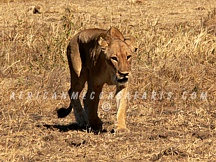
AFRICANMECCA REVIEWS
What are our Customers saying about our safari holidays?
On behalf of myself, my wife and my two adult daughters, I want to sincerely thank you and AfricanMecca Safaris for our fabulous recent safari. Everything you promised exceeded our expectations and was superb, which is saying a lot since this was our second trip, having had a wonderful Botswana Safari 10 years ago. Do not ever hesitate to use me as a reference.
Robert Schenkein - prVision Photography Studio - Colorado, United States
Chobe was delightful, less than half full. Sussi and Chuma, very nice, again only 13 people in all. All the game drives and river cruises were excellent. We had great weather. The ability to get really close is in inspiring. EVERYWHERE we went, the people were warm, helpful and charming. Thank you so much. We will be recommending your services to all.
Thomas Kelch - California, United States
Raza Visram at AfricanMecca planned the most amazing trip for my friend and I. I wanted to go to 4 countries in 15 days and he made it happen. It was an aggressive itinerary and Raza planned it so well, that the transitions were seamless. The last leg of the trip was Botswana for another Safari and we stayed at the most beautiful lodge. The excitement in seeing the animals so closely is indescribable.
Karin Alsdorf - New Jersey, United States
I had a wonderful trip to Africa and I would highly recommend your company.I have been to Africa many times and I have never had such wonderful service. The guide and safari vehicle were both great and all the lodges were outstanding. We will be going to Africa again the year after next and I assure you I will be contacting you. Thanks again for arranging such a great trip.
Ronald Price, President, Ron Price Motors Group - California, United States
Greetings to you and our most fervent thanks for a wonderful trip of Kenya, Zanzibar, South Africa & Victoria Falls. This was truly a perfect vacation. Thank you so much for all your arrangements. It was a trip filled with different kinds of adventures. We experienced and learned so much. Would highly recommend it to others who are interested in similar trips. Wishing you the very best.
Adrienne & Barrie Carter - Canada
Thank you for everything; we had an amazing honeymoon. Words really can't describe our experience, all we can really say was that it was the most amazing experience of our lives and we would recommend AfricanMecca to anyone. We hope to visit Africa again sometime next year! Thank you & all of your staff for an amazing & perfect honeymoon.
Rick Sagoo - London, United Kingdom
CONTACT AND TALK TO OUR ZAMBIA TOUR EXPERTS TODAY TO START YOUR TRIP PLANNING PROCESS
Request Zambia Custom Or Tailor-Made Safari Vacation Pricing Based On Your Specific Travel Dates At Your Preferred Safari Tier Lodge Or Camp
CONTACT AN EXPERT ON ZAMBIA & VICTORIA FALLS SAFARI PRICES